
50 Years of NCFH

|
float-icon-ncfh
1962
1962
1962

President John F. Kennedy signed the Migrant Health Act, authorizing the provision of primary and supplemental healthcare services to migrant farmworkers. This pivotal legislation led to the creation of the Migrant Health Center program, laying the foundation for improved access to care for one of the nation’s most underserved populations. 
1975
1975
1975

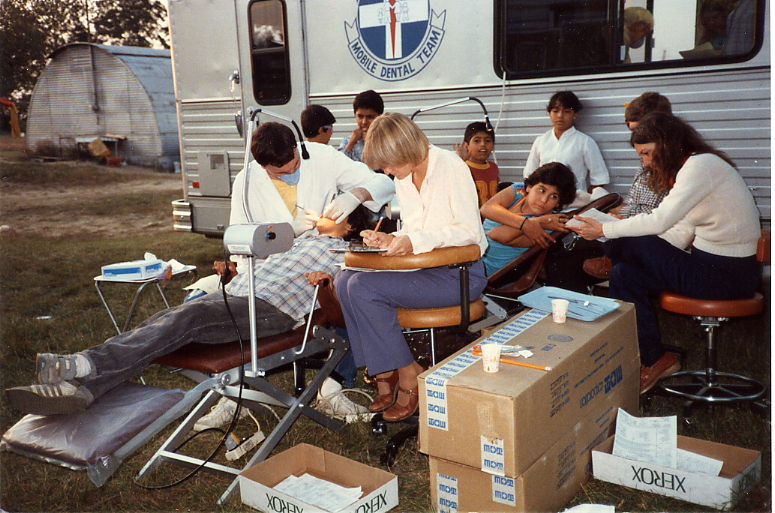
The National Advisory Council on Migrant Health was created to advise the Secretary of Health and Human Services (HHS) on the health and well-being of migratory and seasonal agricultural workers across the United States. Housed within the Bureau of Primary Health Care (BPHC), the Council collaborates closely with the Migrant…
Read More

1975
1975

In 1975, the National Migrant Referral Project (NMRP) was established in Austin, Texas, under the leadership of Executive Director, Daniel Cardenas. NMRP placed bilingual, bicultural social workers in northern health centers to train staff in delivering culturally and linguistically appropriate care to a predominantly monolingual Hispanic farmworker population. 

1977
1977-1981
1977-1981

NCFH began a U.S. /Mexico – Binational Collaboration to improve the coordination of relations & establish a bi-national network to serve migrants and to serve as a forum for meetings between cabinet level officials from both countries. 

1984
1984
1984

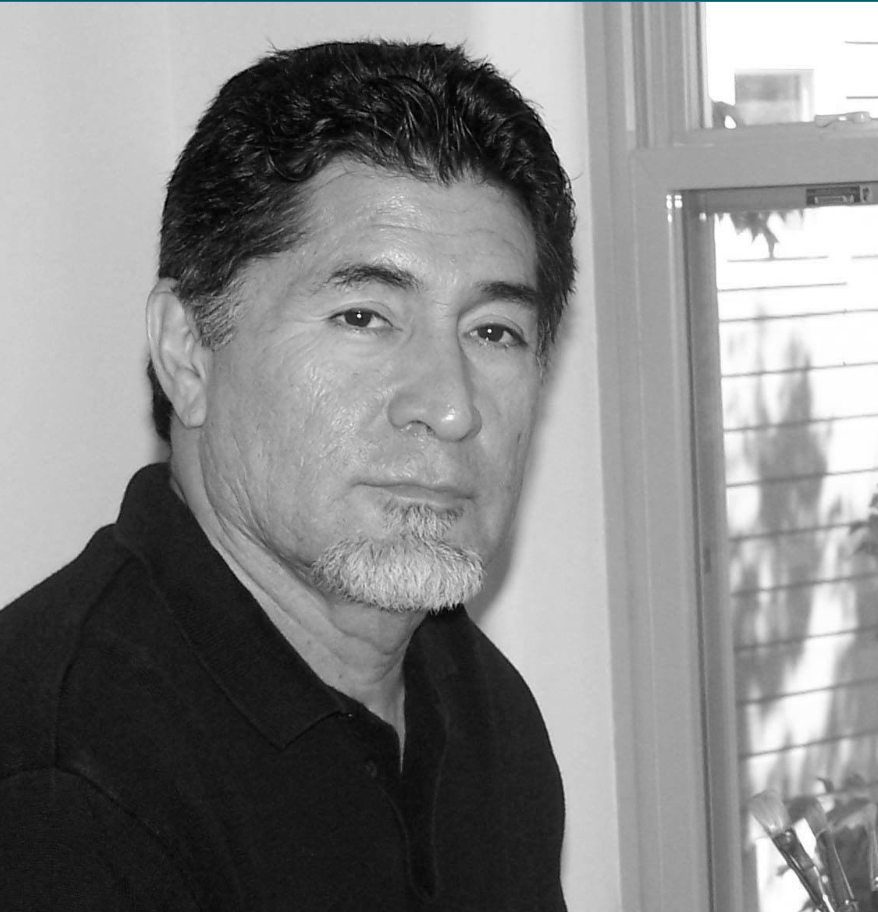
NCFH began the Commemorative Artwork Program with the first commissioned piece of artwork, “The Migrant Child” by Andrew J. Saldana.  Each year, NCFH commissions an artist to create an original image for its commemorative artwork series. Talented, established artists from around the country create vibrant oils to gentle watercolors, from…
Read More

1984
1984

In 1984, the NCFH Migrant Health Scholarship was established—now known as the Bobbi Ryder Ag Worker Health Champion Award. Since its inception, the program has awarded over $250,000 in scholarships to individuals committed to serving agricultural worker communities. These awards are funded entirely through proceeds from the sale of NCFH…
Read More

1984
1984

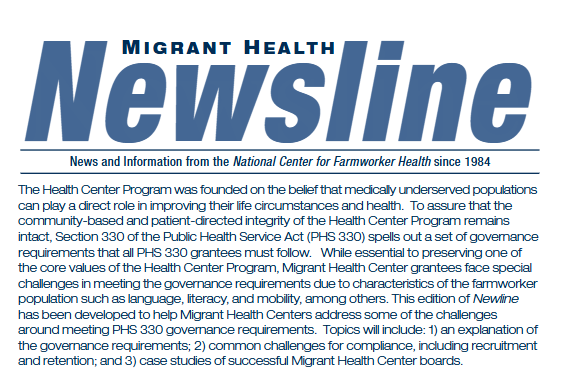
Launched Migrant Health Newsline, a free quarterly publication designed to provide timely and effective communication on farmworker health. The publication serves as a vital resource for gathering, reporting, and disseminating information on key issues, best practices, and available services impacting the migrant health community. 

1986
1986
1986

Bobbi Ryder became the second Executive Director of the National Migrant Referral Project (NMRP), building on the foundational work of Daniel Cardenas. Under her leadership, NMRP introduced portable health records for children, adults, and prenatal care; developed a comprehensive directory of federally funded health centers and satellite sites; and established…
Read More

1989
1989
1989

In 1989, the organization officially changed its name to the National Migrant Resource Program (NMRP), reflecting its broadened mission. That same year, the Migrant Clinicians Network (MCN) was launched as a project within NMRP, further strengthening efforts to support healthcare providers serving migratory and seasonal agricultural workers. 

1991
1991
Migrant workers harvesting potatoes

With funding from the HHS Bureau of Health Care Delivery and Assistance, Migrant Health Program, NCFH partnered with the Migrant Clinicians Network and Dr. G.E. Alan Dever of Mercer University to conduct the first national study on morbidity in the farmworker population. The resulting report, Migrant Health Status: Profile of…
Read More

1992
1992
Migrant Clinicians Network logo

In 1992, the Migrant Clinicians Network (MCN) was established as a separate corporation, creating a dedicated clinical home for providers serving in the Migrant Health Program. This milestone marked a significant step in strengthening clinical support and advocacy for migratory and seasonal agricultural worker health. 

1995
1995
Call for Health logo

In April 1995, the National Center for Farmworker Health (NCFH) launched Una Voz Para La Salud (Call for Health), a nationwide, toll-free bilingual health information and referral service. Designed to support farmworkers and their families, this vital program connects callers to healthcare resources, helping to bridge gaps in access and…
Read More

1995
1995

The Health Tips monthly newsletter was launched as a printed publication delivering accessible, culturally relevant health education to farmworkers across the nation. This initiative helped promote healthier lifestyles and informed decision-making within agricultural worker communities. 

1996
1996
NCFH Blue Logo 2025

In 1996, the National Migrant Resource Program (NMRP) officially changed its name to the National Center for Farmworker Health (NCFH). The new name reflected the organization’s expanded scope of services and its nationwide commitment to improving access to care for farmworker communities across the United States.

1996
1996

NCFH established a U.S./Mexico Bi-National Collaboration, creating a Migrant Health working group and a joint “Acuerdo” (Agreement) with Mexico’s Secretariat of Foreign Affairs (SRE). This partnership provides a vital platform for bilateral exchange and cooperation to improve healthcare access and outcomes for migrant populations on both sides of the border. …
Read More

1997
1997
1997

NCFH introduced its first Community Health Worker Breast and Cervical Cancer Traveling Lay Health Advisory Program, Cultivando la Salud. This evidence-based program is proven to increase rates of mammography, clinical breast exams, and Pap tests among farmworker women. Originally developed for women aged 50 and older, the program centers on…
Read More

1999
1999
1999

NCFH relocated from Austin to its new home in Buda, Texas, marking a new chapter in the organization’s growth and continued commitment to serving farmworker communities nationwide. 

2001
2001
2001

In 1989, NCFH commissioned acclaimed documentary photographer Alan Pogue to create America’s Migrant Farmworkers: A Photographic Survey—a compelling 40-image collection captured across Florida, Texas, California, Michigan, and Illinois. Two sets of the collection have toured nationally, serving as powerful educational tools and a testament to the pride, dignity, and lived…
Read More

2002
2002
2002

In 2002, the NCFH Resource Center significantly expanded its archives through the generous personal donation of historical migrant health materials by the late Helen Johnston, the first director of the federal Migrant Health Program. This invaluable collection deepened the center’s role as a national repository for the history and advancement…
Read More

2002
2002

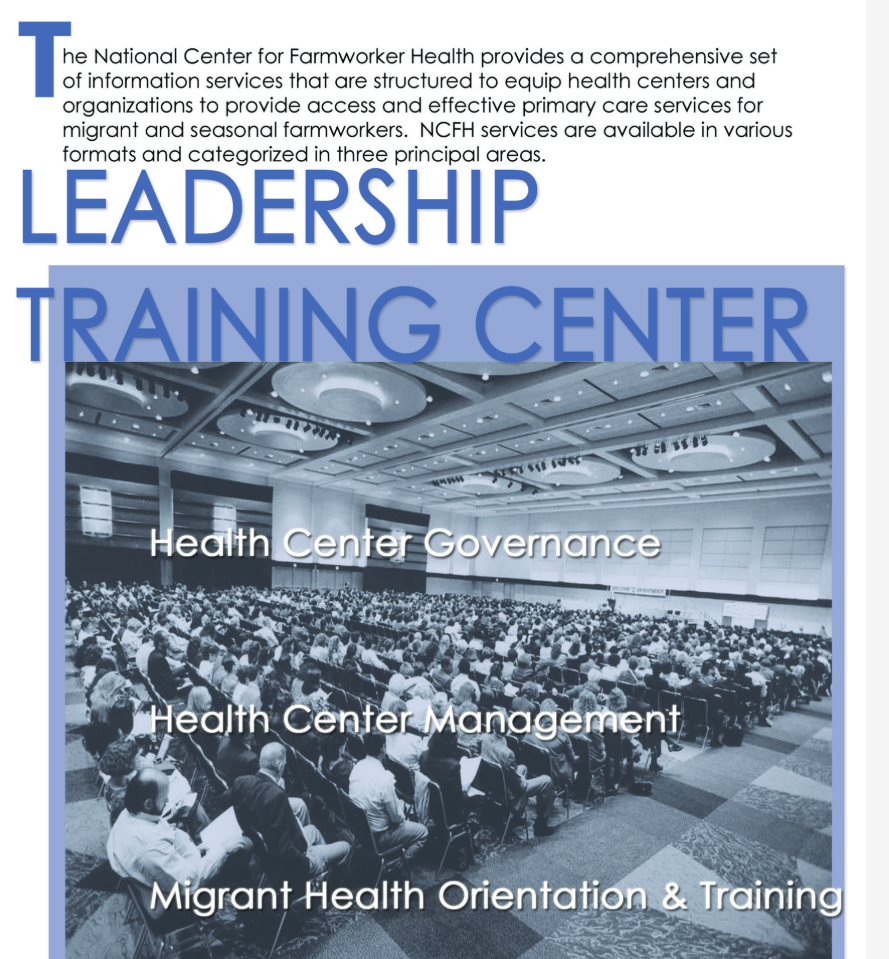
NCFH launched the Leadership Development and Training Center with the mission to enhance the knowledge, skills, and leadership abilities of current and future staff and board members of Migrant Health Centers. Through this center, NCFH developed a comprehensive portfolio of training programs covering Cultural Competency, Customer Service, Communications, Management Skills,…
Read More

2004
2004
2004

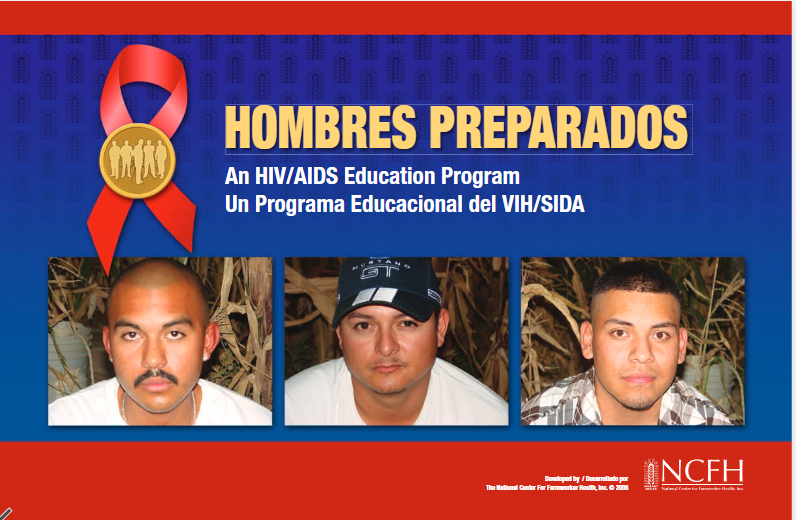
With funding from the Office of Minority Health at HHS, NCFH developed and implemented Hombres Preparados, an HIV/AIDS training program designed to strengthen the capacity of allied health professionals across the network of 500 federally funded Migrant Health Centers. The program focuses on providing culturally sensitive HIV/AIDS education and referral…
Read More

2004
2004

Building on the Binational Exchange, NCFH coordinated a U.S./Mexico Bi-National Collaboration to foster stronger partnerships between agencies in the United States and Mexico, with guidance from NCFH. This effort aimed to improve access, continuity, and quality of care by addressing shared health challenges affecting migrant populations.  Key objectives of the…
Read More

2006
2006
2006

NCFH developed The Health Effects of Air Pollution on the U.S.-Mexico Border, a comprehensive report designed to equip community health centers and other stakeholders with information and resources to support health promotion activities addressing respiratory issues linked to air pollution.   The report summarizes findings from the Border Environmental Health Project…
Read More

2006
2006

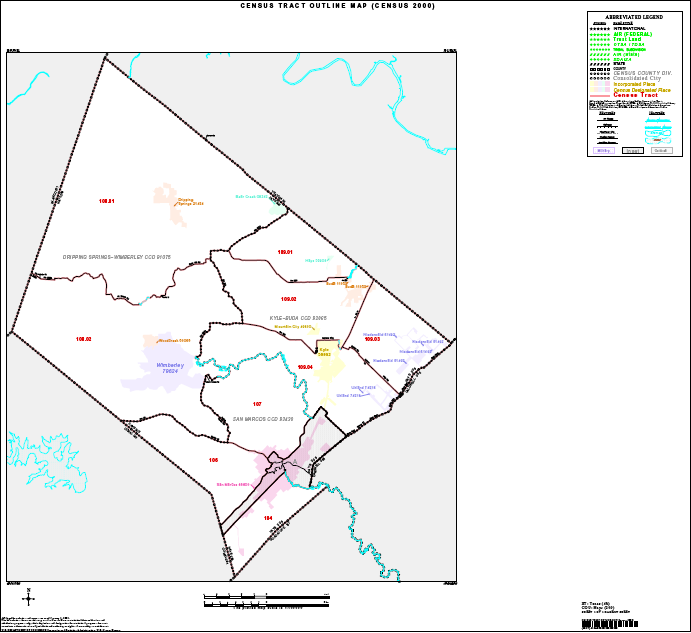
Beginning in 2006, NCFH received funding from the Susan G. Komen Foundation to implement the Cultivando la Salud Breast Cancer Education Program in Hays County, Texas. Focusing on rural communities such as Windmill Way, Green Pastures, Redwood-Rancho Vista, and surrounding areas, the program reached an average of 1,000 women each…
Read More

2006
2006

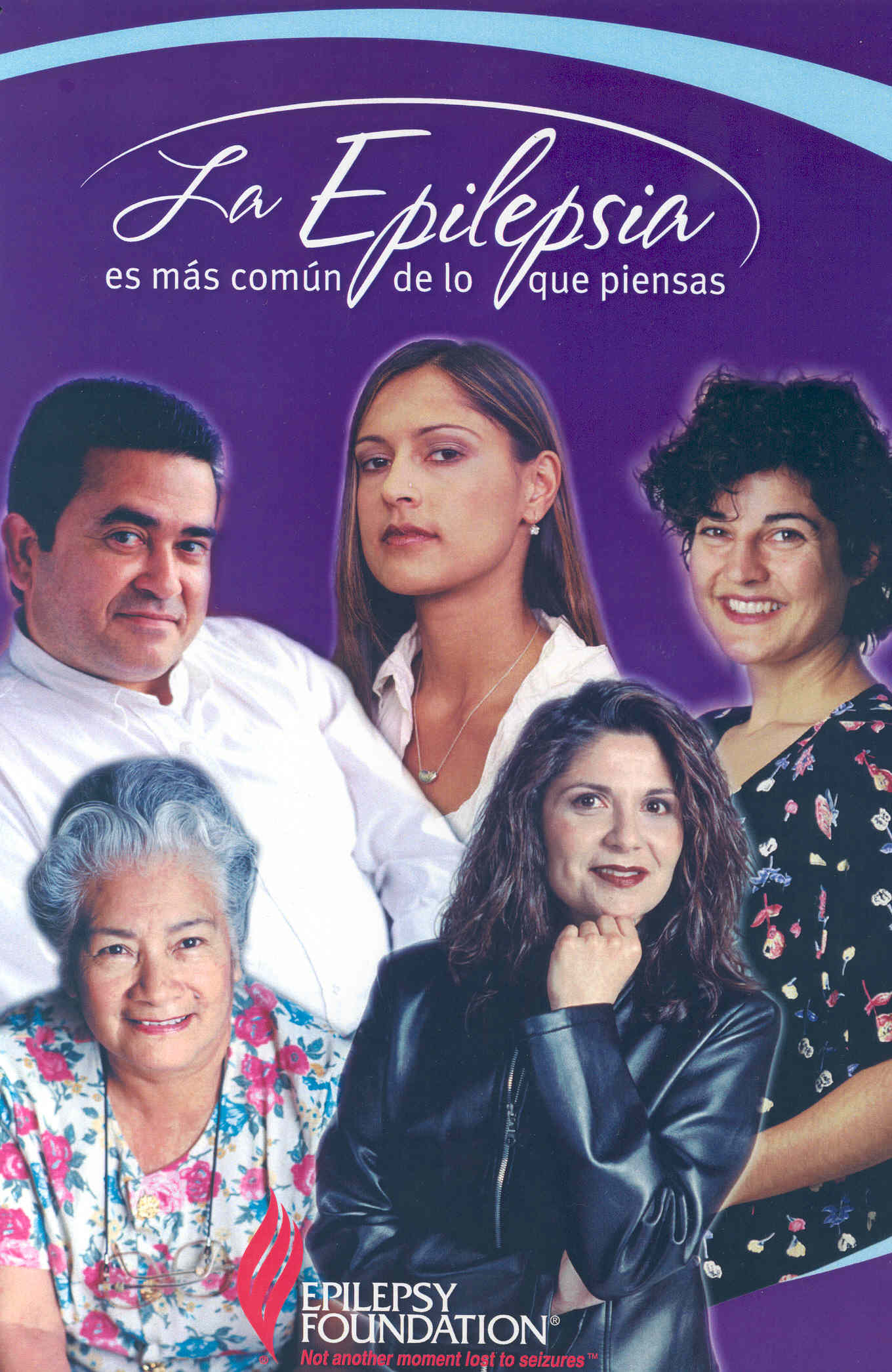
In the fall of 2006, NCFH entered into a contract with the Epilepsy Foundation to operate its national 1-800 helpline. The helpline was transferred to NCFH, where trained staff provided callers with information on epilepsy, answered questions, distributed educational materials, and offered referrals to local resources. This important outreach initiative…
Read More

2007
2007
2007

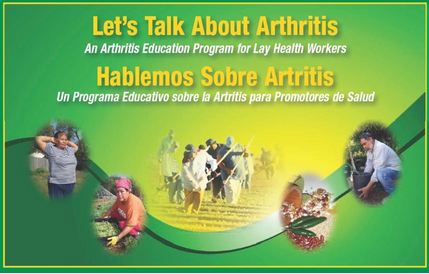
NCFH developed and implemented Hablemos sobre Artritis, a bilingual curriculum designed to equip Promotores de Salud with essential information and resources related to arthritis. This culturally tailored program enhances the capacity of community health workers to educate and support individuals affected by arthritis in underserved communities. 

2007
2007

To build the capacity for comprehensive primary health care in Hays County, NCFH spearheaded the creation of the Hays County Coalition. The inaugural meeting took place in November 2007, chaired by NCFH CEO Ms. Bobbi Ryder. Attendees included key local leaders—the Hays County Judge, Hays County Commissioner from Precinct 2,…
Read More

2010
2010
2010

NCFH developed Promoviendo Farmworker Safety (Project FRESCO), an educational program delivered by community health workers that focuses on heat and sun safety for farmworkers. Funded by the National Institute for Occupational Safety and Health (NIOSH) in partnership with the Southwest Center for Agricultural Health, Injury Prevention, and Education, Project FRESCO…
Read More

2014
2014
2014

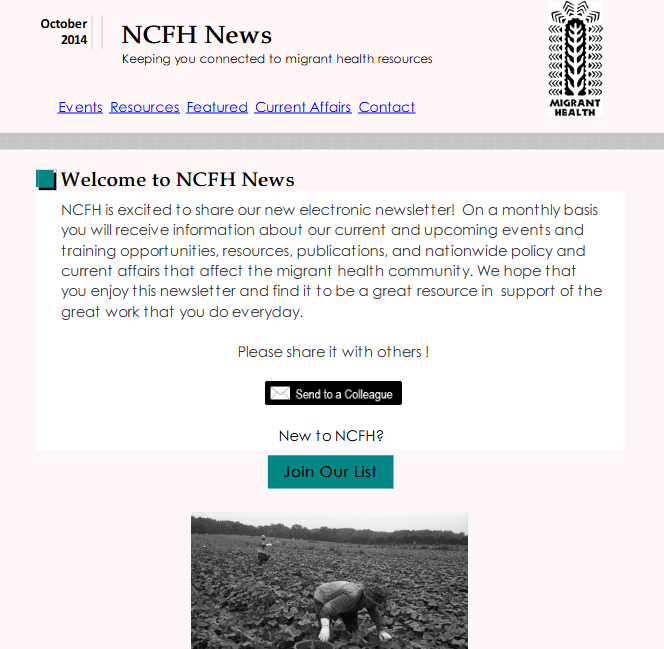
To better serve its audience and embrace evolving communication technologies, Newsline shifted from a traditional print format to an electronic E-news Digest, enhancing accessibility and timely delivery of important updates.

2015
2015
2015

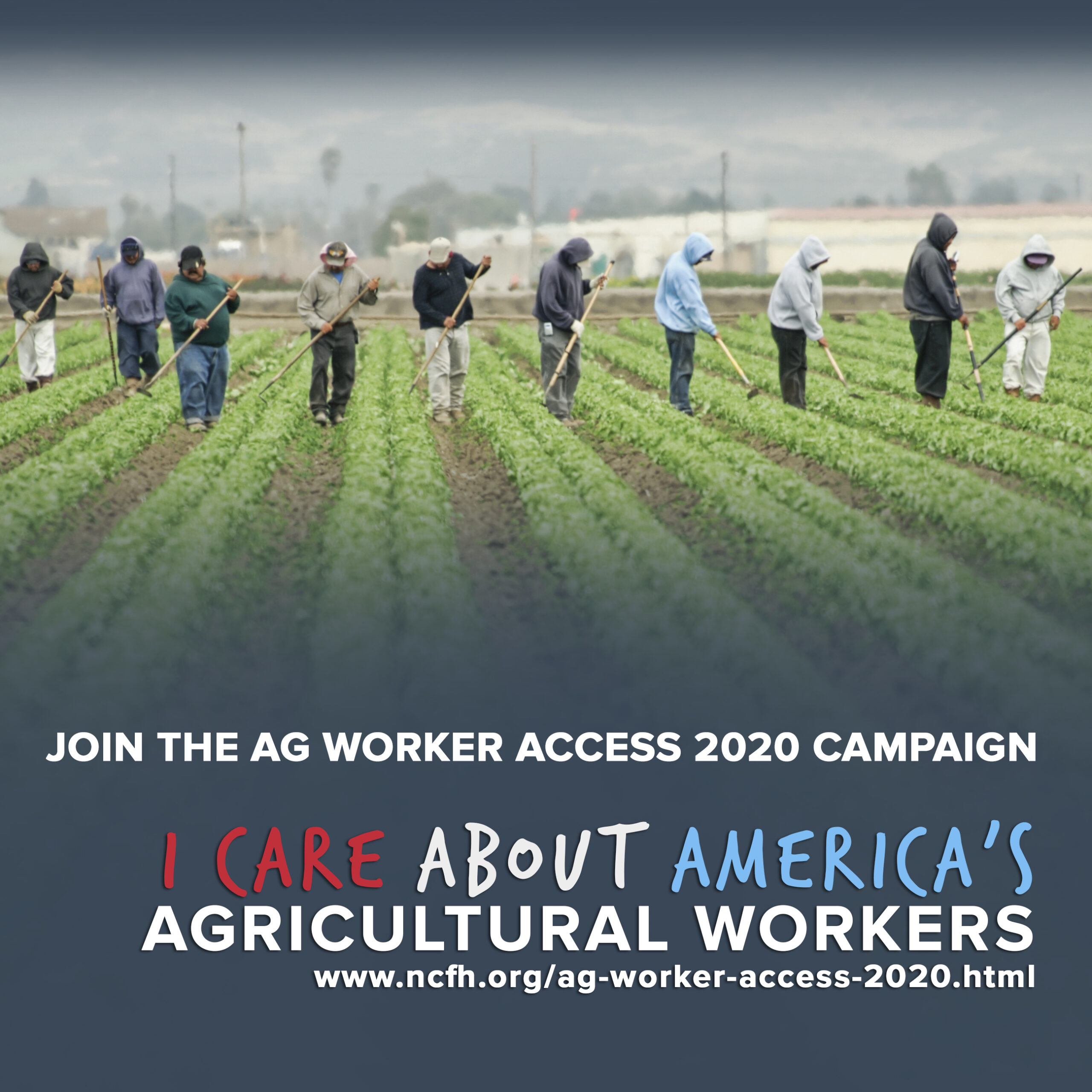
Recognizing the need to expand access to quality healthcare for America’s agricultural workers and their families, the National Center for Farmworker Health (NCFH) partnered with the National Association of Community Health Centers (NACHC) to create the Ag Worker Access 2020 Campaign—now known simply as the Ag Worker Access Campaign. Guided…
Read More

2019
2019
Sylvia Partida photo

After serving as NCFH’s Chief Operating Officer for 16 years, Sylvia Partida was appointed CEO, a role she held for five years. During her tenure, Sylvia spearheaded the launch of the Ag Worker Access Campaign and helped establish a lasting partnership with the Centers for Disease Control and Prevention, among…
Read More

2020
2020
Centers for Disease Control and Prevention logo

In partnership with the Centers for Disease Control and Prevention and over 70 farmworker-serving organizations and agricultural employers nationwide, NCFH spearheaded a coordinated effort to prevent and mitigate the impact of COVID-19 within farmworker communities across the United States.

2020
2020

Starting in July 2020, NCFH received pallets of face masks, gloves, and hand sanitizer, which were carefully packed, labeled, and shipped to health center partners. These partners then distributed the PPE to farmworkers in their local areas, helping protect these essential workers during the COVID-19 pandemic.

2021
2021

From 2021 to 2025, NCFH published Boletín Sol a Sol, a bilingual newsletter focused on infectious disease and vector-borne illness prevention in agricultural communities. Over 65 issues were distributed nationwide, reaching more than 355 readers annually. The newsletter served as a vital resource for timely public health updates, outreach event…
Read More

2021
2021
farmworker and an interview talk in a tomatillo field

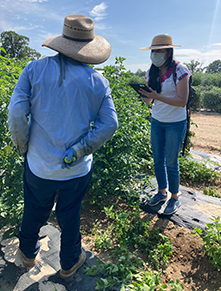
As part of a national COVID-19 outreach and vaccination initiative supported by the CDC, NCFH conducted the Farmworker COVID-19 Community Assessments (FCCA). The FCCA aimed to evaluate farmworkers’ attitudes, knowledge, and practices regarding COVID-19 prevention, disease incidence, and vaccine uptake. NCFH developed a rapid, systematic approach to gather actionable public…
Read More

2022
2022
2022

NCFH partnered with the USDA on the Farm and Food Workers Relief Grant Program to provide one-time $600 relief payments to eligible frontline farmworkers impacted by COVID-19-related expenses. Through this program, NCFH distributed approximately $43 million in financial assistance, helping support farmworkers during the pandemic.

2021
2021

For the first time, the National Center for Farmworker Health (NCFH), North Carolina Community Health Center Association (NCCHCA), and Northwest Regional Primary Care Association (NWRPCA) joined forces to replace the 2020–2021 in-person Stream Forum events with a virtual gathering. Held March 22–26, 2021, with two follow-up sessions on May 24–25,…
Read More

2022
2022

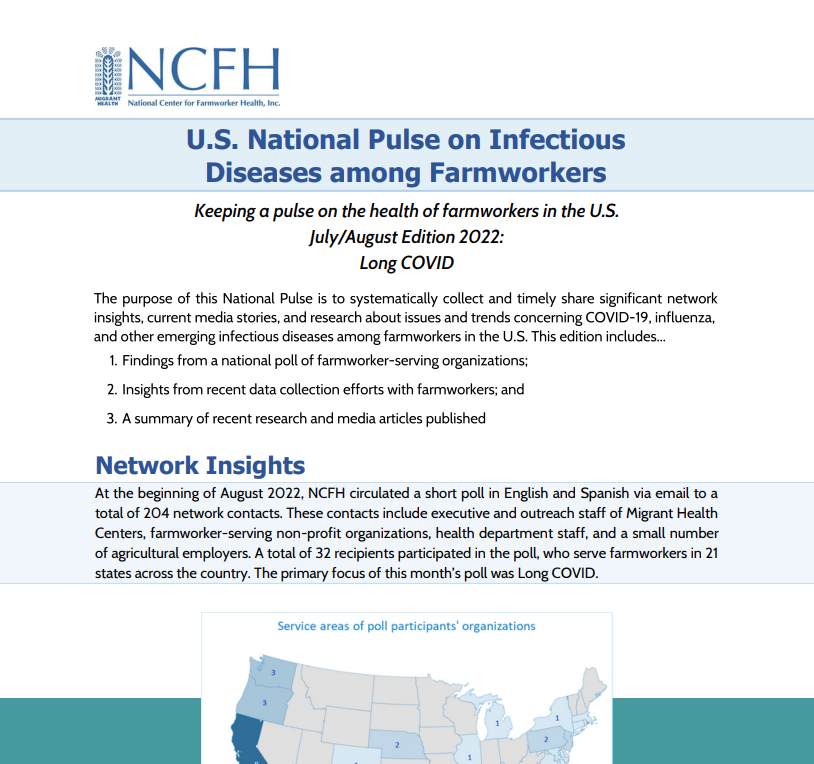
NCFH developed The National Pulse, a monthly publication that delivers key insights, media coverage, and research on COVID-19, influenza, and other emerging infectious diseases affecting farmworkers in the U.S. Each issue features: Results from a national poll of farmworker-serving organizations, Insights from recent data collection efforts involving farmworkers, and Summaries…
Read More

2023
2023
2023

Launched in 2023, Cultivating Health Connections is NCFH’s storytelling podcast spotlighting farmworker health champions. Across four episodes, the series features artists, long-time partners, and advocates, amplifying the vibrant and resilient voices within the farmworker community. With a growing audience, the podcast provides an innovative platform to share impactful stories and…
Read More

2023
2023

In December 2023, NCFH partnered with the University of California Davis Continuing and Professional Education (CPE) and the Pesticide Educational Resources Collaborative (PERC) to launch the project, “Increasing Pesticide Safety Knowledge Among Indigenous Farmworkers on the Texas-Mexico Border Through Culturally and Linguistically Responsive Approaches.” This initiative aims to reduce pesticide…
Read More


National Center for Farmworker Health
Privacy Overview

This website uses cookies so that we can provide you with the best user experience possible. Cookie information is stored in your browser and performs functions such as recognising you when you return to our website and helping our team to understand which sections of the website you find most interesting and useful.